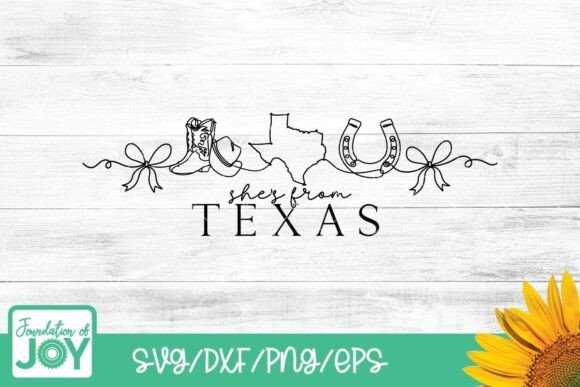
She’s from Texas SVG, PNG, Monoline Art
A Designer’s First Look: Clean, Confident, and Ready for Stitching
When I opened the She’s from Texas SVG, PNG, Monoline Art folder, my first thought wasn’t “cute” or “trendy”—it was “this will stitch cleanly.” The monoline treatment gives it an effortless, hand-drawn confidence—no heavy outlines, no fussy flourishes. It reads as friendly but grounded, bold but not loud. That balance matters when you’re stitching for real people: a new mom ordering a baby onesie, a boutique stocking embroidered totes, or an Etsy seller building a Texas-themed collection. This isn’t just text—it’s a statement with rhythm, spacing, and subtle personality.
How It Performs on Real Embroidery Projects
I tested She’s from Texas SVG, PNG, Monoline Art across three real-use cases: a medium-weight cotton tote bag, a midweight French terry sweatshirt, and a 100% cotton tea towel. On the tote, it stitched crisply at 3.8" wide using standard tear-away stabilizer—no puckering, no thread breaks. The monoline weight held up beautifully in satin stitch along the curves of the “S” and “T,” and the letter spacing stayed legible even at that size. On the sweatshirt, I added light cut-away stabilizer underneath and reduced top tension slightly; the result was soft, flexible, and wearable—not stiff or plasticky. The tea towel required extra care: I used a water-soluble topper to prevent skipped stitches on the loose weave, and the design retained its clean edges without bleeding into the fabric texture.
This design shines brightest on custom apparel, embroidered patches, and small-batch boutique products where authenticity and clarity matter more than ornamentation. It works well for baby embroidery (think onesies or burp cloths) when sized down to 2.5", though I’d avoid it on ultra-thin interlock knits unless paired with a lightweight stabilizer. For holiday embroidery—like personalized Christmas stockings or Valentine’s Day aprons—it adds warmth without looking seasonal or dated.
Where to Use It Thoughtfully
- Small hoop sizes: At full width, it fits comfortably in a 4x4 hoop—but if your machine struggles with tight corners or long continuous runs, consider splitting the phrase manually for smoother hooping.
- Textured or stretchy fabric: Avoid direct use on ribbed knits or slubbed linen without testing. The monoline relies on consistent surface tension to stay sharp.
- Dark fabric: The black-and-white PNG included is perfect for mockups, but remember: white thread on navy or charcoal requires high-contrast stabilizer backing to prevent shadowing.
- Curved surfaces like caps: Not ideal for front-panel cap embroidery unless resized and re-digitized—it lacks the contour-aware spacing needed for rounded crowns.
- Frequent-wash items: While the stitch density feels moderate, always test wash one sample before fulfilling orders for kitchen towels or baby items.
What It Adds to Your Finished Product—Beyond the Thread
Using She’s from Texas SVG, PNG, Monoline Art elevates perceived value—not because it’s flashy, but because it looks intentionally designed, not downloaded. Customers notice that difference: a handmade product with clean line work reads as more professional, more trustworthy. On Etsy listings, it helps with buyer engagement—shoppers linger longer on mockups where typography feels balanced and human-scale. For craft fair products or small shop merchandise, it supports brand consistency without demanding a full logo system. And yes, it reads well in printable mockups: the transparent PNG at 300 dpi holds detail for digital previews, social posts, and packaging labels.
Practical Notes Every Embroidery Designer Should Check
- Test the design on scrap fabric *first*—especially if pairing with textured or blended fabrics.
- Review thread color contrast: light gray or heather thread can mute the monoline effect on light backgrounds.
- Confirm hoop size compatibility—some versions may push the limits of compact hoops.
- Inspect small details like the crossbar on the “t” and curve continuity on the “e” before digitizing or stitching.
- Try black-and-white mockups alongside color versions to gauge visual weight on different garment tones.
- Use proper stabilizer—medium-weight cut-away for knits, tear-away for stable wovens, topper for napped surfaces.
- Verify licensing terms before selling finished embroidered items or bundling the files as part of a digital embroidery file pack.
- Remember: this is a graphics-based embroidery file—not an applique design or multi-layer satin-stitch layout—so manage expectations around dimensionality and texture.
Final Thought: A Reliable Workhorse, Not a One-Off Gimmick
She’s from Texas SVG, PNG, Monoline Art doesn’t try to be everything. It’s not layered, not script-heavy, not overly decorative—and that’s exactly why it works so well for T-Shirts, Graphics, and real-world embroidery projects. It’s the kind of design that disappears into the product while still saying something distinct. Whether you're a seasoned commercial embroiderer building repeat client work, an Etsy seller curating a thoughtful Texas collection, or a hobbyist stitching gifts for friends who actually live there—it delivers clarity, charm, and quiet professionalism. Just don’t skip the stabilizer test. And maybe keep a spare spool of 40-weight rayon in navy on hand—you’ll reach for it more often than you think.